
✈️ America Launches First Commercial Plant Producing Jet Fuel from Captured CO₂

The United States has launched its first commercial-scale facility that produces jet fuel from captured carbon dioxide (CO₂), water, and renewable electricity, marking a significant breakthrough in sustainable aviation fuel technology.
Key Highlights
- California-based company Twelve has opened AirPlant One in Moses Lake, Washington.
- The plant produces E-Jet fuel, a synthetic aviation fuel made using captured CO₂, water, and renewable energy through a process known as power-to-liquid technology.
- The fuel is chemically identical to conventional jet fuel and meets aviation certification standards, meaning it can be used in existing aircraft and fueling systems without modifications.
- AirPlant One has already started producing commercial-grade fuel, moving the technology from experimental testing to real-world production.
How It Works
- Captured carbon dioxide and water are converted into liquid hydrocarbons using renewable electricity.
- This process eliminates the need for crude oil extraction and creates a more sustainable method of fuel production.
- The company says its fuel can reduce lifecycle carbon emissions by up to 90% compared to traditional jet fuel.
Beyond Aviation
- The facility also produces E-Naphtha, a synthetic chemical used in manufacturing plastics, packaging, solvents, synthetic fibers, and many other everyday products.
- Like E-Jet fuel, E-Naphtha can be used in existing industrial systems without major changes.
Why It Matters
- Unlike many sustainable aviation fuels that rely on biological materials such as used cooking oil or agricultural waste, this technology uses renewable electricity and captured carbon dioxide, offering greater potential for large-scale production.
- The plant could help reduce dependence on fossil fuels, strengthen domestic energy supply chains, and provide a more stable alternative to oil-based fuel markets.
Bottom Line
AirPlant One represents a major milestone in clean energy and aviation. It demonstrates that jet fuel can now be produced commercially from air, water, and renewable electricity, potentially transforming the future of aviation and industrial manufacturing while significantly reducing carbon emissions.

publisher@engineeriaafrica.com — New Contributor
View all posts →Google Faces Lawsuit Over Alleged Use of YouTube Creators’ Music to Train AI Next →
ChatGPT Reaches 1 Billion Users Despite Growing AI Concerns
Related Articles
 Uncategorized
Google Faces Lawsuit Over Alleged Use of YouTube Creators’ …
Google is facing a lawsuit from independent musicians who claim the company used songs…
publisher@engineeriaafrica.com
 Uncategorized
Engineeria Africa is Building Africa’s Engineering Communit…
Are you a: • Engineering Student • Lecturer • Researcher • Graduate Engineer •…
publisher@engineeriaafrica.com
 Uncategorized
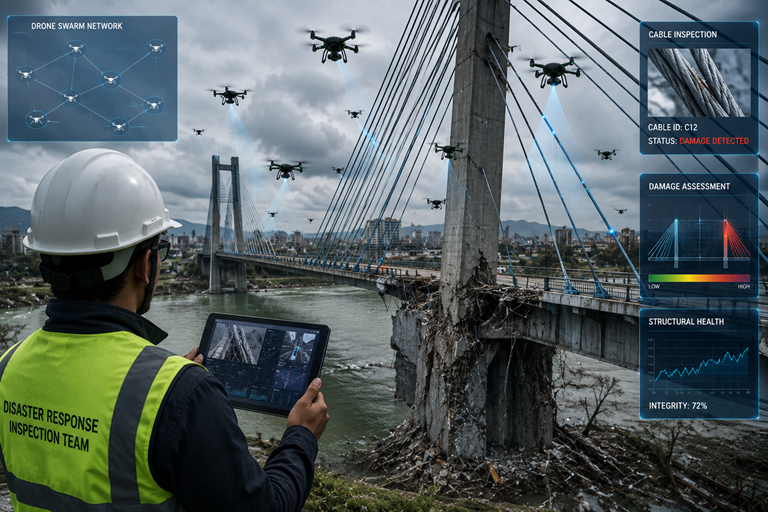
Using Drone Swarms to Inspect Post-Disaster Bridge Cables
A team of undergrads has developed a low-cost, collaborative algorithm for structural health monitoring…
publisher@engineeriaafrica.com